
A project team reviewing source documents and a laptop together.
AI Solutions / Research + Engineering

AI systems, defined around real work.

We turn specific knowledge, approved model access and repeatable tasks into systems that can be reviewed, governed and maintained.

Discuss a Requirement Project-based / Scope agreed before build

Where we help / 01—03

Three ways we make AI useful.

Each engagement starts with a real user, approved information and a named owner for review.

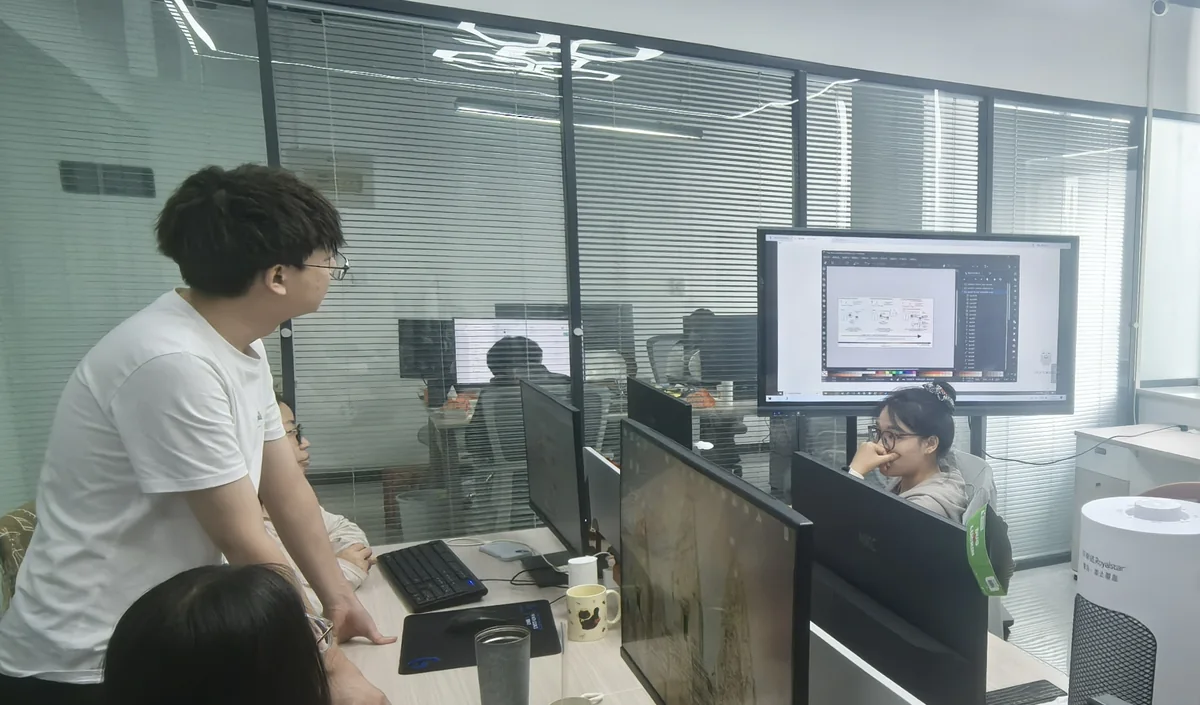
Colleagues working through requirements together in a meeting room.

01 / Knowledge work

Source-aware applications

Knowledge & Model-assisted Applications

Most teams already hold the material an assistant needs — documents, records, references. We turn what you’ve approved into search and answers that carry their sources, and set aside anything the system can’t confirm for a person to check, rather than smoothing it over.

  • Private knowledge basesbuilt from approved material, nothing scraped in.
  • Source-linked answersevery reply shows the material behind it.
  • Defined-task assistantsscoped to one job, with review kept in the loop.

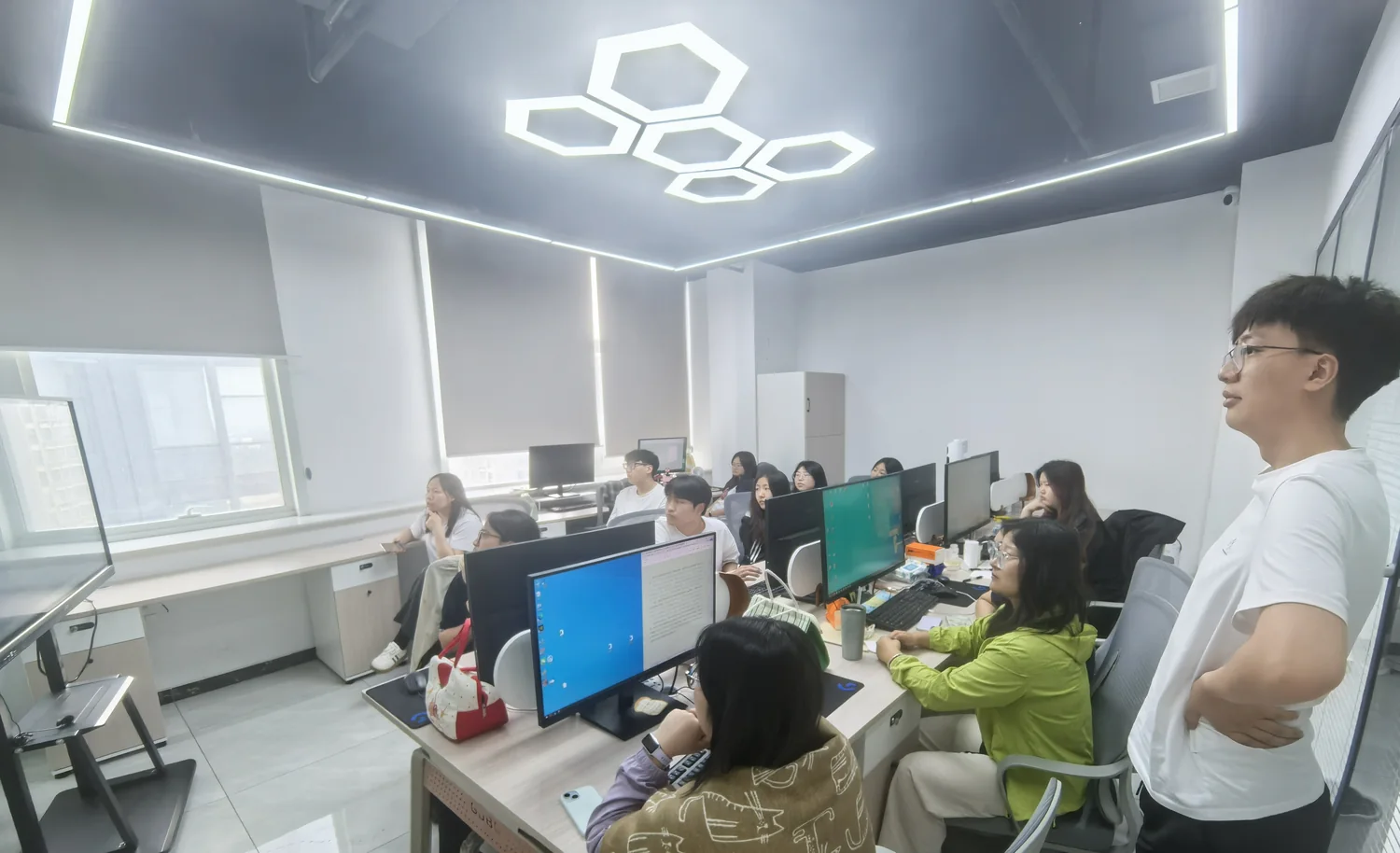
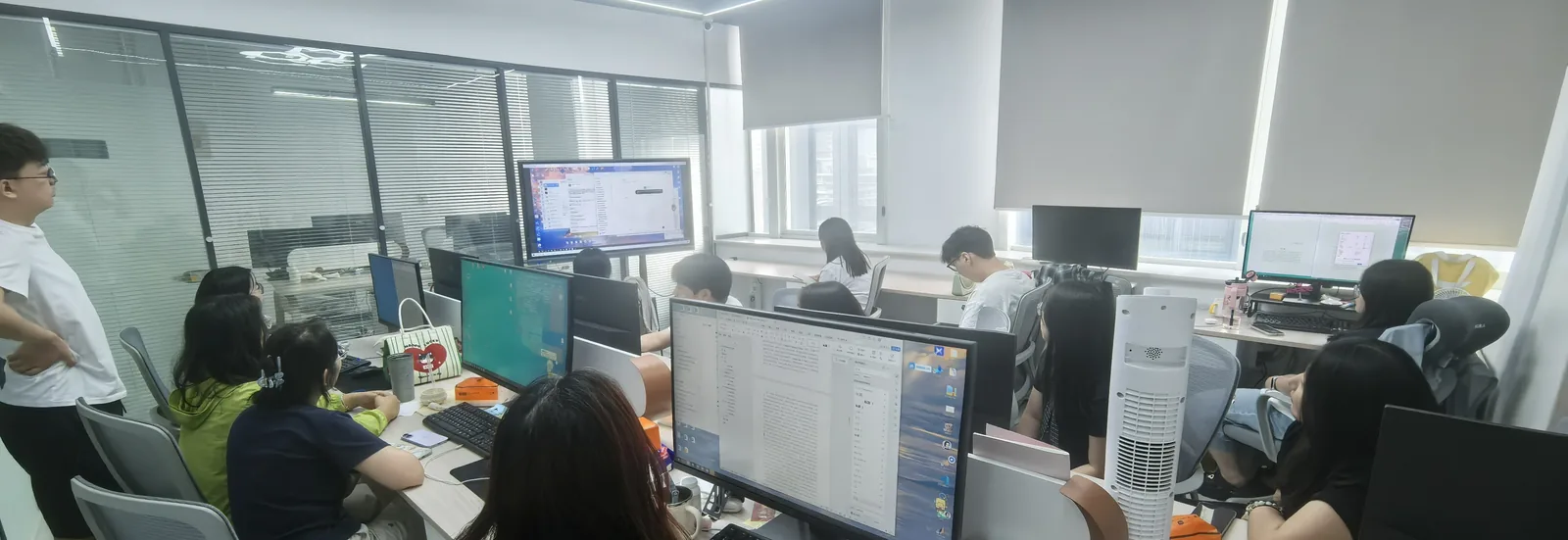
Team members working at their own systems along a shared desk row.

02 / Controlled access

Enterprise entry point

Enterprise AI Access Platforms

Left alone, model access spreads as scattered keys and personal accounts that nobody can see or switch off. We put one controlled entry point in front of approved models — metered and bounded per person or team — so adoption never outruns control.

  • Customer-managed accessyou hold the keys and set the policy.
  • Managed accesswe run the gateway, you keep the controls.
  • Private deploymentinside your own environment when it has to be.
A colleague walking the team through work on screen at their desks.

03 / Workflow integration

Operational connection

AI Workflow & System Integration

A single model call is easy; the work is wiring several steps into a process someone can still answer for. We connect approved capabilities to the workflow they belong in, keeping the evidence at each step and a named owner on each decision, with exceptions raised rather than passed through quietly.

  • Workflow connectionsapproved AI wired into steps you already run.
  • Review & approval pointsnamed gates where a person signs off.
  • Operational handoverlimits, ownership and upkeep written down.

The discipline behind it

We would rather show the limits than hide them.

Three services, one habit. Four rules hold across every engagement — and they are the reason a result can be trusted.

The team gathered at their desks while a colleague talks through the work.
  1. Sources over assertions

    Every output carries its evidence. What the system can’t confirm is flagged for review — never asserted as fact.

  2. Bounded by design

    Metered access, per-user limits, and only the models you have approved. Reach is a decision, not a default.

  3. A person owns the decision

    Review points are named, not implied. The system routes and prepares; people decide and sign off.

  4. Built to be handed over

    Use limits, ownership and maintenance scope are written down before a system becomes part of daily work.

How we work

A visible process before a polished promise.

We make the decisions, boundaries and handover clear before a system becomes part of daily work.

The delivery team at work across the shared office floor.
  1. 01

    Understand

    Confirm users, current material, objectives and constraints.

  2. 02

    Define

    Record access, review points, acceptance rules and exclusions.

  3. 03

    Build

    Connect the agreed models, knowledge and workflow components.

  4. 04

    Handover

    Document use limits, ownership and maintenance scope.

Engineering boundaries

A system is only useful when its limits are visible.

Included

  • User, task and material review before architecture.
  • Prototype, evaluation and documented checkpoints.
  • Deployment, permission and handover planning.
  • Agreed maintenance and support boundaries.

Excluded

  • Unverified accuracy, performance or compliance claims.
  • Hidden use of materials outside agreed permissions.
  • Undefined automation without review and recovery paths.
  • Perpetual maintenance without scope and ownership.

Start with one working requirement

Bring us one workflow that needs to work better.

We begin with the users, approved information and review boundaries, then define a practical first version.

Copy Enterprise Email Users / Approved information / Workflow to improve